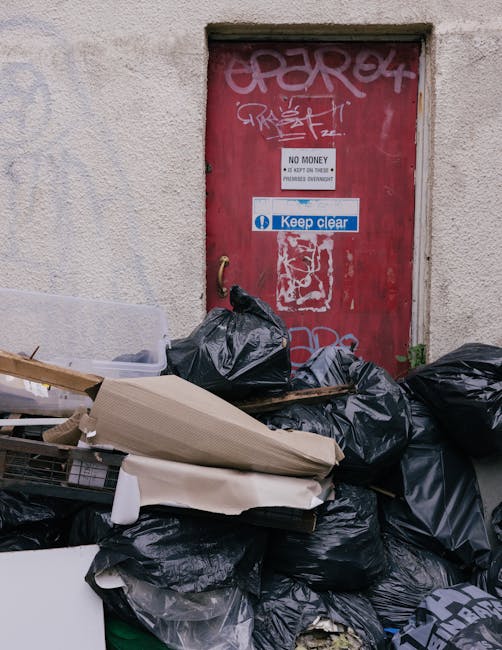
Chingford rubbish removal guide for E4 streets and estates
Clearing rubbish in Chingford is rarely just a matter of "bag it and bin it". On E4 streets and estates, access can be tight, parking can be awkward, and bulky waste has a habit of turning up at the worst possible moment. Whether you are dealing with a flat clearance, old furniture, garden cuttings, builders' rubble, or a messy garage that has somehow become a second storage unit, the right approach saves time, stress, and usually a fair bit of effort.
This Chingford rubbish removal guide for E4 streets and estates breaks the process down in plain English. You will see how rubbish removal typically works, what to check before booking, which services suit different jobs, and the common mistakes that cause delays or extra cost. If you want a cleaner, simpler way to deal with waste without making the whole thing a weekend project, you are in the right place.
There is no mystery to it really. The trick is matching the job to the right method.
Quick expert summary: For most E4 homes, flats, estates, and small businesses, the best rubbish removal plan is the one that fits the load, the access, and the urgency. Measure the waste first, separate anything hazardous, and choose a service that can remove everything safely in one visit.
Table of Contents
- Why Chingford rubbish removal guide for E4 streets and estates Matters
- How Chingford rubbish removal guide for E4 streets and estates Works
- Key Benefits and Practical Advantages
- Who This Is For and When It Makes Sense
- Step-by-Step Guidance
- Expert Tips for Better Results
- Common Mistakes to Avoid
- Tools, Resources and Recommendations
- Law, Compliance, Standards, or Best Practice
- Options, Methods, or Comparison Table
- Case Study or Real-World Example
- Practical Checklist
- Conclusion
- Frequently Asked Questions
Why Chingford rubbish removal guide for E4 streets and estates Matters
Chingford has a mix of housing types that all affect waste clearance differently. You have terraced streets with limited kerbside space, apartment blocks with shared entrances, family homes with side access, estates with communal areas, and older properties where the stairs feel narrower than they should. That mix matters because rubbish removal is not just about lifting. It is about access, timing, sorting, and keeping disruption low.
For residents, this matters because the wrong disposal plan can mean clutter sitting around for days, bags splitting on the way out, or waste being left where neighbours have to step around it. For landlords, agents, and local businesses, it is about presentation and turnaround. A clean space moves faster. A blocked passage or overflowing bin store slows everything down, and nobody wants that on a busy E4 morning.
It also matters for safety. Mixed waste often hides sharp edges, broken glass, nail-filled timber, damp cardboard, or heavy items that are more awkward than they look. Once you start moving things around, the job can get messy quickly. To be fair, that is usually when people realise they needed a better plan in the first place.
If your clearance includes mixed household items, loose furniture, or white goods, a dedicated rubbish removal service is usually more practical than trying to manage several separate disposal routes. For example, if you are clearing a flat and need help with sofas, beds, and general waste, the combination of flat clearance and mattress and sofa disposal can make the whole task much smoother.
How Chingford rubbish removal guide for E4 streets and estates Works
Most rubbish removal jobs follow a fairly simple pattern. You describe what needs to go, the team assesses the load and access, then the waste is collected and removed for sorting, recycling, or disposal. The details change from job to job, but the basic flow stays the same.
In practical terms, here is what usually happens:
- You identify the waste. This may be domestic rubbish, bulky items, garden cuttings, builders' debris, or office clear-out material.
- You check access. Think stairwells, lifts, parking, gated estate access, and how far the load has to travel.
- You get a price or plan. Reputable services normally ask about volume, type of waste, and any special handling needs.
- The team arrives and loads safely. Good crews work carefully, especially in communal hallways and shared outdoor spaces.
- The waste is sorted responsibly. Reusable items, recyclables, and non-recyclables are handled differently where possible.
For bigger jobs, you may need a more specialised clearance. A property full of mixed contents is not the same as a few bin bags. That is where services like house clearance, home clearance, or garage clearance become useful. If the job is mostly timber, plaster, and renovation leftovers, builders waste clearance is usually the better fit.
One thing that often surprises people is how much time access affects the job. A two-minute lift journey is very different from carrying heavy furniture down three flights of stairs. Same waste, different workload. Simple as that.
Key Benefits and Practical Advantages
The obvious benefit is convenience, but that is only part of the story. A well-handled rubbish removal job can improve the whole feel of a property. You notice it when a hallway stops smelling stale, when a cluttered spare room starts to breathe again, or when a front garden finally looks like part of the street rather than a holding pen for old stuff.
- Less disruption: A single organised collection often beats multiple trips to a disposal point.
- Better safety: Heavy lifting and awkward waste are handled with the right approach.
- Cleaner shared spaces: This matters a lot on estates and in blocks with communal access.
- More flexibility: Mixed loads can be dealt with together instead of split across different services.
- Clearer planning: You know what is going, what is staying, and what needs special handling.
There is also a strong mental benefit. Clutter builds quietly, then suddenly it is everywhere. Clearing it can feel oddly energising. A bit dramatic, maybe, but anyone who has opened a packed loft on a Saturday morning knows the feeling.
If sustainability matters to you, it is worth asking how waste is handled after collection. Responsible services should focus on reuse and recycling where practical. You can explore this further through the site's recycling and sustainability information.
Who This Is For and When It Makes Sense
This guide is useful for anyone in E4 who needs rubbish removed without turning it into a big do-it-yourself project. That includes homeowners, tenants, landlords, letting agents, shop owners, office managers, and anyone sorting a property between occupiers.
Typical situations include:
- clearing old furniture before a move
- emptying a loft or garage that has become overloaded
- disposing of garden waste after pruning or landscaping
- removing office furniture or confidential paperwork
- dealing with builders' debris after refurbishment
- clearing a flat after tenancy changeover
- getting rid of broken appliances or awkward bulky items
It makes sense when time is short, access is difficult, or the waste is too mixed for a simple bin solution. It also makes sense if you have items that need special care, such as fridges, mattresses, sofas, or potentially hazardous materials. For example, a mixed end-of-tenancy job might involve a sofa, some shelving, a damaged fridge, and general household clutter. That is very different from a single black bag collection.
If your waste is mainly office-related, office clearance and confidential shredding may be worth considering. If it is mainly domestic and oversized, furniture-focused services such as furniture disposal can keep things simpler.
Step-by-Step Guidance
If you want a smoother experience, do the job in this order. It sounds basic, but basic is usually what works.
- Walk the property first. Look in the loft, under stairs, behind sheds, and in storage areas. Waste often hides in plain sight.
- Separate the obvious categories. Keep general rubbish, furniture, electrical items, garden waste, and builders' waste apart where possible.
- Check for restricted items. Fridges, paint, chemicals, broken fluorescent tubes, and some DIY materials may need special handling.
- Measure the load roughly. A few bags, half a van, or a full load all mean different things for planning.
- Think about access before collection day. Is there lift access? Is parking tight? Will neighbours need notice?
- Book the right service. Match the waste type to the service category, such as garden clearance, fridge and appliance removal, or general waste removal.
- Clear a route. Hallways and entrances should be free of trip hazards before anyone starts lifting.
- Ask how the waste will be handled. A tidy, professional job should include sensible sorting and responsible disposal.
A small but useful point: if you are on an estate, let neighbours or building management know if the collection might affect shared access. It avoids awkwardness, and sometimes a bit of grumbling that nobody needs.
Expert Tips for Better Results
In our experience, the best rubbish removal jobs are the ones that are prepared properly before anyone arrives. That sounds obvious, but you would be surprised how often a simple tidy-up saves a big chunk of time.
Here are the tips that genuinely help:
- Take a quick photo of the waste. It helps with accurate quoting and reduces guesswork.
- Keep liquids out of mixed loads. Spilled paint, cleaning fluids, and damp waste can make everything harder.
- Break down furniture where safe. Flat-pack parts and dismantled frames are easier to move than a fully assembled wardrobe.
- Put smaller items in one place. Scattered bags and boxes slow loading more than people expect.
- Label anything fragile or questionable. It is a small step, but it helps avoid mistakes.
- Plan for the weather. Wet cardboard and soggy garden waste are heavier and messier. A rainy Tuesday in Chingford can change a "small job" very quickly.
If you have bulky items that need careful carrying, services designed for furniture and household contents may be a better fit than general rubbish removal. Think of it as choosing the right tool for the job, not overcomplicating it. The difference is real. One awkward sofa can turn a simple clearance into a slow shuffle down three narrow landings.
Also, do not overfill bags to the point where they split. Everyone says they will "just make it work" and then the bottom gives way on the stairs. Not ideal.
Common Mistakes to Avoid
A lot of waste jobs go wrong for the same handful of reasons. The good news is that they are easy to avoid once you know what to look for.
- Underestimating volume: What looks like "a few bits" can become a full van load once sorted properly.
- Mixing normal waste with restricted items: This can delay collection or require a different handling process.
- Ignoring access problems: Tight estate parking, narrow stairs, and blocked hallways all matter.
- Waiting too long: Piles grow fast. One week becomes three, and somehow the loft is full again.
- Not checking item type: Sofas, mattresses, appliances, and builders' waste each need the right removal approach.
- Leaving waste outside too early: In communal areas, this can cause complaints or create hazards.
Another common slip is forgetting about contamination. For example, a garden clearance might include soil, branches, and bags of general junk mixed together. That sounds harmless, but it can reduce recycling options and make the job clumsier than necessary. If you are clearing a garden, use a dedicated garden clearance approach rather than dumping everything into one pile and hoping for the best.
Tools, Resources and Recommendations
You do not need a big toolkit for rubbish removal, but a few basic items make the process easier and safer.
- Strong sacks or rubble bags: Useful for mixed light waste and garden cuttings.
- Gloves: Not glamorous, but very sensible.
- Box cutter or screwdriver: Handy for dismantling simple furniture.
- Marker pen and tape: Good for labelling items that stay, go, or need special handling.
- Dolly or sack truck: Helpful for heavier items where stairs or long corridors are involved.
- Old sheets or blankets: Useful for protecting walls and doorframes during furniture moves.
On the service side, it helps to use pages that match the kind of waste you actually have. For example, a home full of mixed items may need house clearance, while a loft that has been ignored for years may be better suited to loft clearance. A shed that is full of broken tools, old pots, and odd bits of timber might sit somewhere between garage clearance and general rubbish removal.
If you want to understand the practical side of service choice and pricing, the pages on pricing and quotes and book online are sensible next stops. And if you are comparing what can be taken away in different waste streams, what can go in a skip is a useful reference point even if you are not hiring a skip yourself.
Law, Compliance, Standards, or Best Practice
Waste removal in the UK is not just a "take it away" task. It sits within a framework of environmental responsibility, safe handling, and sensible record-keeping. You do not need to become an expert in waste law to make good decisions, but it does help to understand the basics.
Best practice usually means:
- keeping hazardous materials separate from general waste
- avoiding unsafe manual handling
- using a reputable provider that handles waste responsibly
- not leaving materials in communal areas where they could cause obstruction
- checking whether items require special disposal routes
If your clearance includes anything sharp, corrosive, contaminated, or potentially dangerous, treat it cautiously. That is especially true for paint, chemicals, certain electrical items, and renovation waste. If something looks doubtful, do not guess. Ask first.
There is also a practical duty of care on the customer side. In plain terms, that means you should know roughly what is being collected and be honest about the waste type. It helps the service plan correctly, keeps everyone safer, and reduces the chance of last-minute complications.
For business premises, the standards are even more important. Offices, shops, and shared commercial spaces often need a more structured approach. If that sounds familiar, business waste removal is the more relevant route than generic domestic clearance. If old papers or files are involved, confidential shredding becomes a sensible extra safeguard.
Options, Methods, or Comparison Table
Not every rubbish job should be handled the same way. Here is a simple comparison to help you choose the right path.
| Method | Best for | Strengths | Limitations |
|---|---|---|---|
| General rubbish removal | Mixed everyday waste, bags, clutter, household junk | Flexible, fast, straightforward | Not ideal for specialist items on their own |
| Furniture or bulky item disposal | Sofas, beds, wardrobes, tables | Good for heavy or awkward pieces | May need extra handling for stairs or tight access |
| House or home clearance | Whole rooms, end-of-tenancy, inherited contents | Good for large volumes and mixed items | Needs more planning than a small collection |
| Garden clearance | Branches, soil, hedge cuttings, outdoor clutter | Cleaner sorting for green waste | Mixed garden rubbish may reduce recycling options |
| Builders waste clearance | DIY debris, rubble, timber, plasterboard | Best suited to renovation leftovers | Heavy loads can require careful loading and planning |
If you are unsure which option fits, start by asking yourself one question: is this mainly general clutter, bulky household items, or a specialist waste type? That one answer usually narrows it down quite neatly.
Case Study or Real-World Example
Picture a first-floor flat in E4 with a shared stairwell, a narrow entrance, and no lift. The occupants are moving out, and the place contains a worn sofa, a broken bedside table, a mattress, several bags of mixed clutter, and a fridge that has not worked for months. There is also a small pile of packaging and old bits in the hallway.
This is exactly the kind of job where planning matters. If someone tried to "just do it themselves", they would likely need more than one trip, extra lifting help, and probably a lot more patience than they have on a Tuesday evening.
The better approach is to sort the items first. The mattress and sofa can be handled through a dedicated furniture route, the fridge through appliance removal, and the rest through general waste or flat clearance depending on the final mix. That combination reduces confusion and keeps the hallway clear for neighbours. It also makes the handover less stressful. You can hear the difference, honestly - the echo of an empty room after a cluttered one is oddly satisfying.
Now swap the flat for a small Chingford garden after a weekend tidy-up. You might have hedge trimmings, a broken plant pot, a rusty chair, and a pile of old timber at the back of the shed. That load is better managed as a garden-led clearance rather than a random pile of outdoor junk. Same postcode, different job. The detail makes the difference.
Practical Checklist
Use this before booking or collecting anything.
- Identify what needs to go, item by item.
- Separate furniture, garden waste, builders' waste, and general rubbish.
- Remove anything you want to keep from cupboards, lofts, sheds, and drawers.
- Check for hazardous or special items that need separate handling.
- Measure access points, stairwells, parking, and loading distance.
- Take photos if you want a more accurate quote.
- Choose the most relevant service type for the load.
- Clear a safe route through the property.
- Notify neighbours or building management if communal space may be affected.
- Ask how recycling and disposal will be handled.
Small but important note: if you are clearing a whole property, do a final walk-through before the team arrives. There is always one drawer, one cupboard, or one forgotten corner that catches people out. Always.
Conclusion
Getting rubbish removed in Chingford does not need to be complicated, but it does need to be thoughtful. E4 streets and estates bring their own access issues, shared-space concerns, and practical limits, so the best result usually comes from matching the waste to the right removal method, preparing the load properly, and keeping safety in mind.
Whether you are clearing a flat, emptying a garage, sorting garden waste, or dealing with bulky furniture, a calm step-by-step approach makes everything easier. Less stress. Less mess. Fewer surprises. And, quite often, a quicker finish than you expected.
If you are ready to move from cluttered to clear, take the next step with a service that fits the job and the space. Get a free quote today and see how much you can save.
Sometimes the best part of a clearance is simply getting the room back and hearing the quiet again.
Frequently Asked Questions
What is the best way to arrange rubbish removal in Chingford E4?
The best approach is to identify the waste type first, check access, and choose the service that matches the load. For mixed items, general waste removal or home clearance is often the simplest route.
Can rubbish removal deal with flats and estate properties?
Yes. Flats and estates are common jobs, but access matters. Lifts, stairs, parking, and shared entrances all affect the plan, so clear information up front helps a lot.
Is furniture included in rubbish removal?
It can be, but bulky items are often easier to handle through dedicated furniture services. Sofas, beds, and wardrobes may need their own disposal route, especially in tight access properties.
What should I do with a fridge or appliance?
Fridges and appliances should be separated from general waste. They can require special handling, so it is better to use a service that deals with appliance removal rather than mixing them into the main load.
How do I prepare for a house clearance?
Walk through every room, remove items you want to keep, separate obvious waste types, and make sure hallways and stairwells are clear. A bit of prep saves a lot of back and forth.
Can garden waste be collected with other rubbish?
Sometimes yes, but it is usually better to keep garden waste separate where possible. Green waste, soil, and timber are easier to sort when they are not mixed with general household clutter.
What happens if I have hazardous waste?
Do not mix hazardous items with normal rubbish. Paint, chemicals, and similar materials need careful handling, so they should be flagged early and dealt with through the correct disposal route.
How much space do I need for a collection vehicle?
That depends on the property and the type of waste, but parking and loading space are always worth checking in advance. On busy E4 streets, even a small access issue can slow things down.
Is office waste different from domestic rubbish removal?
Yes. Offices often include desks, chairs, filing, and sometimes confidential paperwork. Business waste removal and confidential shredding are more suitable than a standard household clearance in those cases.
Should I get a quote before booking?
Yes, definitely. A quote based on waste type, volume, and access gives you a better idea of the final plan and helps avoid surprises on the day.
What if I am not sure which service I need?
Start with the type of item most of the load consists of. If it is mainly furniture, appliances, garden waste, builders' debris, or general clutter, that usually points you to the right service category.
How can I make rubbish removal faster on collection day?
Separate the waste, clear access routes, and keep fragile or special items labelled. A tidy, visible pile is much quicker to handle than scattered bits in different rooms.
Do I need to sort recycling myself?
Not always, but sorting beforehand often helps. It can make collection smoother and supports better recycling outcomes, especially if the waste includes cardboard, metal, clean wood, or reusable items.
Where can I learn more about safe and responsible waste handling?
You can review the site's service and policy pages, especially those covering recycling, safety, and the type of waste you have. That is usually enough to make a sensible next step without overcomplicating things.